
Incoterms explained for buyers: the three letters that decide what your supplier's price really includes
Incoterms are the International Chamber of Commerce's standard rules for who pays for transport, insurance and customs, and where the risk passes from seller to buyer. A small importer meets them on every quote, usually as three letters next to the price. Those letters can make two quotes that look far apart into the same deal, or two that look the same into very different ones.
Incoterms explained in one sentence: they are the three letters on a supplier's quote that decide what the price actually includes. Published by the International Chamber of Commerce, the current edition, Incoterms 2020, contains eleven rules. Each one sets who arranges and pays for transport, insurance and customs clearance, and the point at which the risk of loss or damage passes from the seller to the buyer.
For a small company buying from abroad, they matter on every quote. Two prices that look far apart can be the same deal on different terms; two that look the same can be very different deals.
What do Incoterms decide, and what do they not?
They decide delivery: who moves the goods, who pays for which leg, who handles export and import clearance, and when risk transfers. They do not decide the price, payment terms, ownership of the goods, or what happens if the goods are defective. Those belong in the contract; how to write it is in the contract manufacturing agreement checklist.
Which terms will a small importer meet most?
| Term | Seller's price covers | Buyer still arranges and pays |
|---|---|---|
| EXW, Ex Works | Goods ready at the seller's premises | Loading, export clearance, all transport, insurance, import duty |
| FCA, Free Carrier | Goods handed to the buyer's carrier, export-cleared | Main transport, insurance, import duty |
| FOB, Free on Board | Goods loaded on the ship at the seller's port | Sea freight, insurance, import duty, delivery from your port |
| CIF, Cost, Insurance and Freight | Sea freight and minimum insurance to your port | Unloading, import duty, delivery inland; risk passed at loading |
| DAP, Delivered at Place | Delivery to an agreed place, not unloaded | Import clearance and duty |
| DDP, Delivered Duty Paid | Delivery to you with import duty paid | Little or nothing, but check brokerage and local taxes |
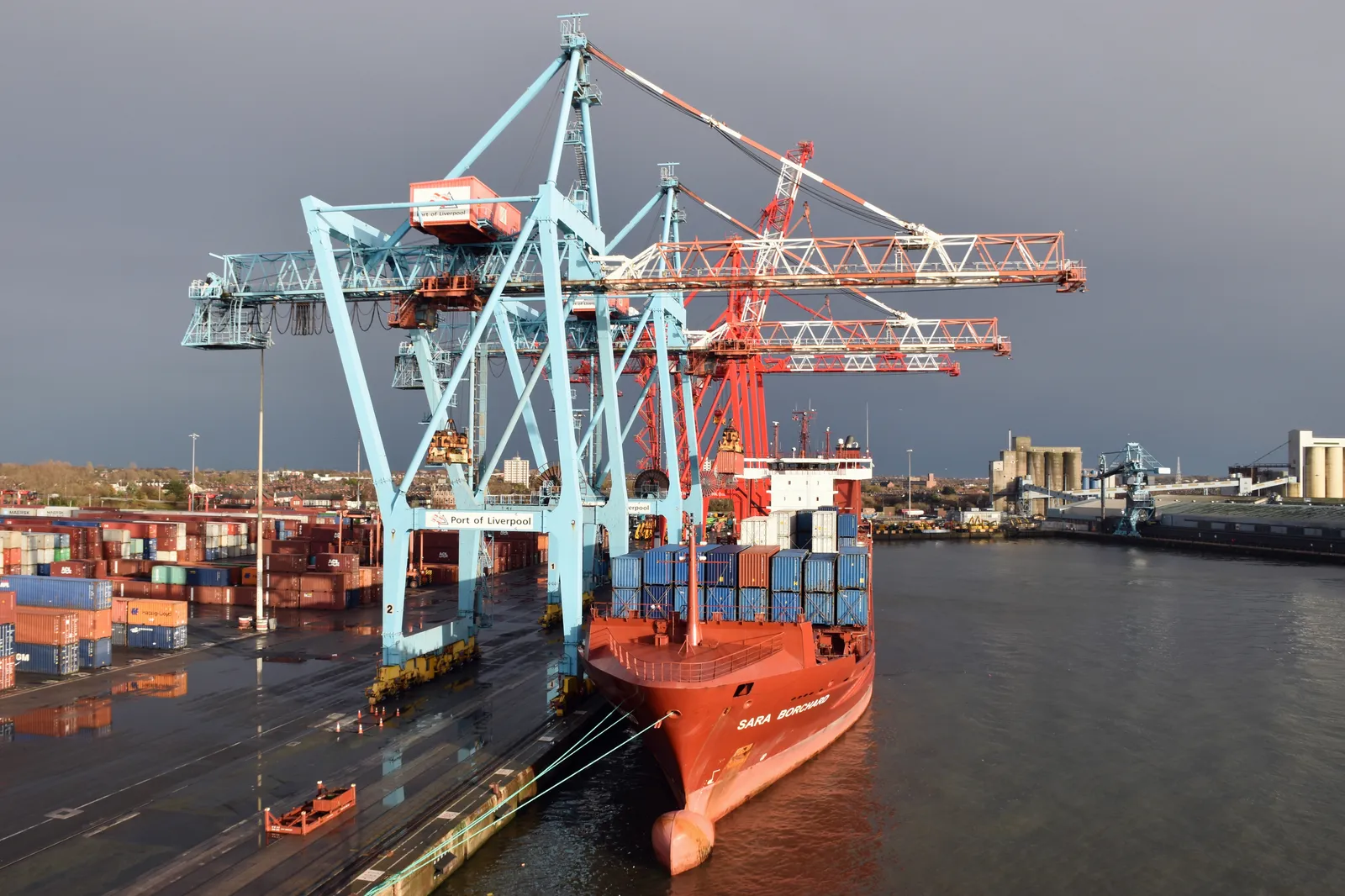
Some terms (FOB, CIF, FAS and CFR) are meant only for sea and inland waterway transport, and the ICC advises against them for containerised shipments; FCA, CPT and CIP are their any-mode equivalents. The other terms work for any mode, including containers, road and air.
Which term should a small buyer ask for?
It depends on how much of the shipping you can manage well. A buyer without a freight forwarder is often safer with a term where the seller handles more, such as DAP or DDP, as long as the price is compared fairly. A buyer with a good forwarder often gets a better total cost buying FCA or FOB and controlling the main freight. EXW looks cheapest and often costs most for a small buyer, because every step after the factory door becomes the buyer's problem, including export paperwork in a country the buyer does not know.
Why does the same price mean different things?
Because the term changes what is inside it. A quote on EXW and one on DDP for the same goods can differ by the whole cost of freight, insurance, customs and duty. Compare quotes only after converting every one to the same point, usually your warehouse door; the method is in how to compare supplier quotes.
Where do Incoterms cause trouble?
Three places. A term named without a place ("FOB" without the port) leaves the hand-over unclear. Using sea-only terms such as FOB or CIF for container shipments blurs responsibility, because risk can pass at the ship's rail long after the container left the buyer's sight at the terminal. And customs: whichever side handles clearance must prepare the documents correctly, because errors there are where shipments lose weeks; see how to reduce supplier lead times.
What this means for a buyer
Always write the term with its place and edition, for example "FCA Shenzhen, Incoterms 2020". Ask every supplier to quote on the same term. And decide who handles each leg based on who can do it best, not on which price looks lower. Finding and comparing suppliers with you is the work on the operations and suppliers page.