
How to negotiate a minimum order quantity: find out what the MOQ protects, then trade for it
A minimum order quantity looks like a wall. It is usually a cost the supplier is protecting: a machine setup, a raw-material batch, a production slot. Once you know which one, you can trade for it, with a higher price, a committed schedule, a standard material or a split delivery, instead of asking for an exception the supplier has no reason to give.
Minimum order quantity negotiation with a manufacturer usually starts badly: the buyer asks for a smaller order, the supplier says no, and the buyer either overbuys or walks away. Both outcomes are often unnecessary. An MOQ is rarely arbitrary. It protects a cost or a constraint on the supplier's side, and once you know which one, you can offer something that covers it.
Why do suppliers set minimum order quantities?
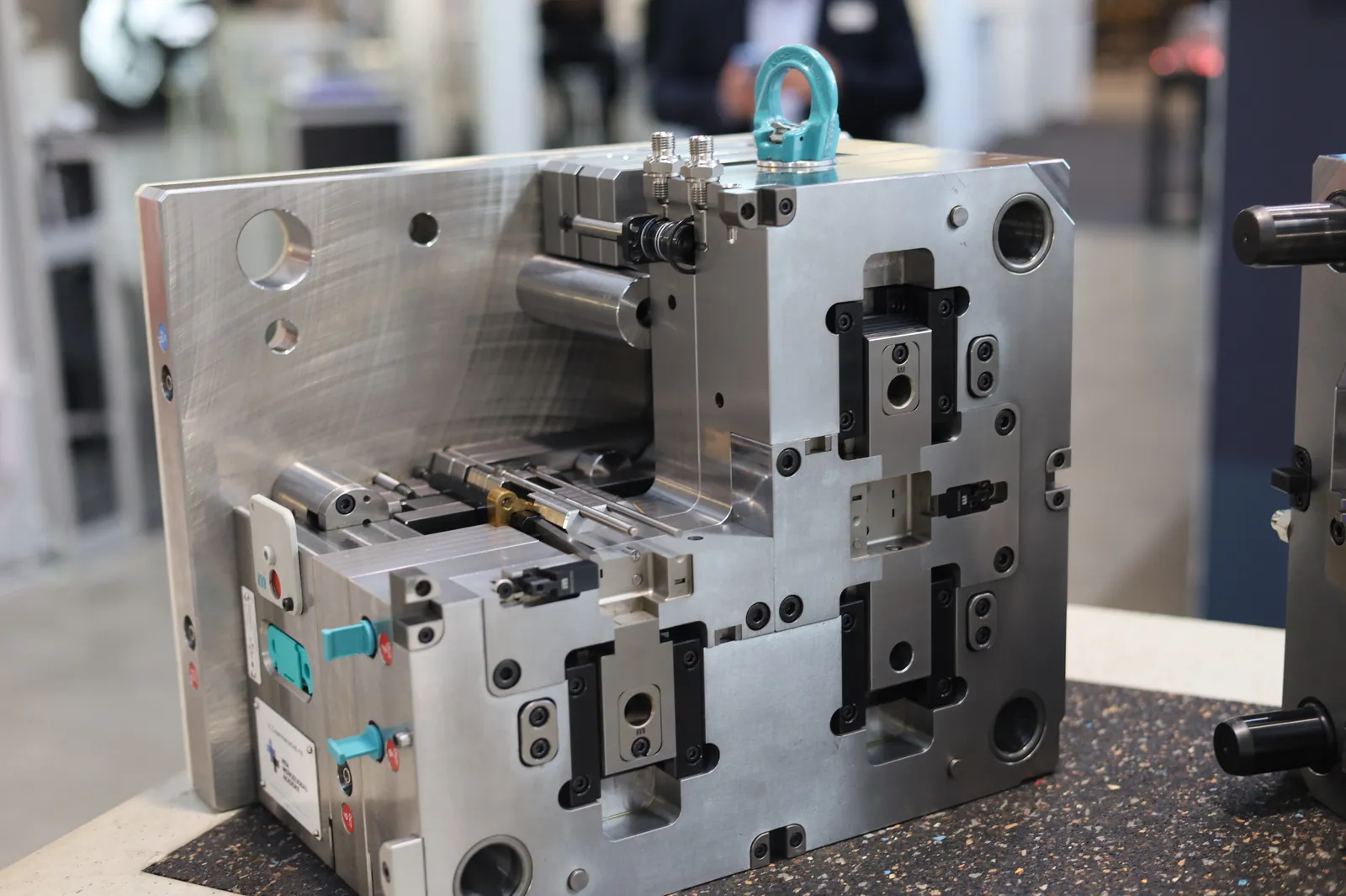
Because some costs are the same whether they make 100 units or 10,000. Setting up a machine, making a mould, cleaning a line between colours, buying raw material in the batch size their own supplier sells, printing packaging in a run large enough to be economical, or simply reserving a production slot. The MOQ is the volume at which those fixed costs become reasonable per unit.
Step 1. Ask what the MOQ protects
Ask directly: is the minimum about setup time, raw material, packaging, or capacity? The answer changes the negotiation. A setup-driven MOQ can be traded for a setup fee. A material-driven one can sometimes be solved by using a standard material the supplier already stocks. A capacity-driven one is about how much your order is worth to them.
Step 2. Work out what the MOQ really costs you
The cost of an MOQ is not the order value. It is the cash tied up in stock you will not sell soon, the storage, and the risk that the design changes before you sell through. Compare that with what a smaller order would cost at a higher unit price; the method is in how to compare supplier quotes. Often a higher price on a smaller order is the cheaper choice.
Step 3. Offer a trade, not a request
| What the MOQ protects | What you can offer |
|---|---|
| Setup or tooling cost | Pay the setup or tooling separately, then order smaller runs |
| Raw-material batch | Use a standard material or colour they already stock |
| Packaging run | Accept plain or generic packaging for the first order |
| Production slot and capacity | Commit to an annual volume, delivered in scheduled parts |
| The supplier's risk on a new customer | A larger deposit, or a first order at a higher unit price |
The committed annual volume with split deliveries is often the strongest offer: the supplier plans production and buys materials for the year, and you take delivery as you sell.
Step 4. Show you are worth it
Suppliers make exceptions for customers they expect to grow. Explain your plan, your channels and your expected volume over two years. Be honest; a supplier who discovers the forecast was invented will remember. Flexibility runs both ways: a supplier willing to adapt to a small but promising customer is usually a supplier worth keeping, and that willingness belongs on your supplier scorecard.
Step 5. Write the agreement down
Whatever you agree, put it in writing: the quantity, the price at each volume, the delivery schedule, what happens if you take less than committed, and who owns any tooling you pay for. Tooling ownership matters most here: if you pay for the mould, you should be able to move it if the relationship ends; see how to vet a manufacturer.
What if the supplier will not move?
Then look for a supplier built for your volume. Factories set up for large runs struggle to serve small ones well even if they agree to; workshops and contract manufacturers with small-batch lines exist for exactly this. How to find one is in how to find a manufacturer for your product.
Where to start
Ask the supplier what the minimum protects. The answer shows whether the MOQ can be restructured or whether the supplier's economics do not allow it. Running supplier negotiations with you is part of the work on the operations and suppliers page.