
GLSDB in Ukraine: two combat-proven parts did not make a combat-proven weapon
GLSDB is a Boeing and Saab weapon built from two parts already on the shelf, a small guided bomb and an old rocket motor, giving Ukraine a 150 km strike from the ground. It arrived in 2024, missed often under Russian jamming, was taken out of use and reworked. Here is what it is and what its story teaches.
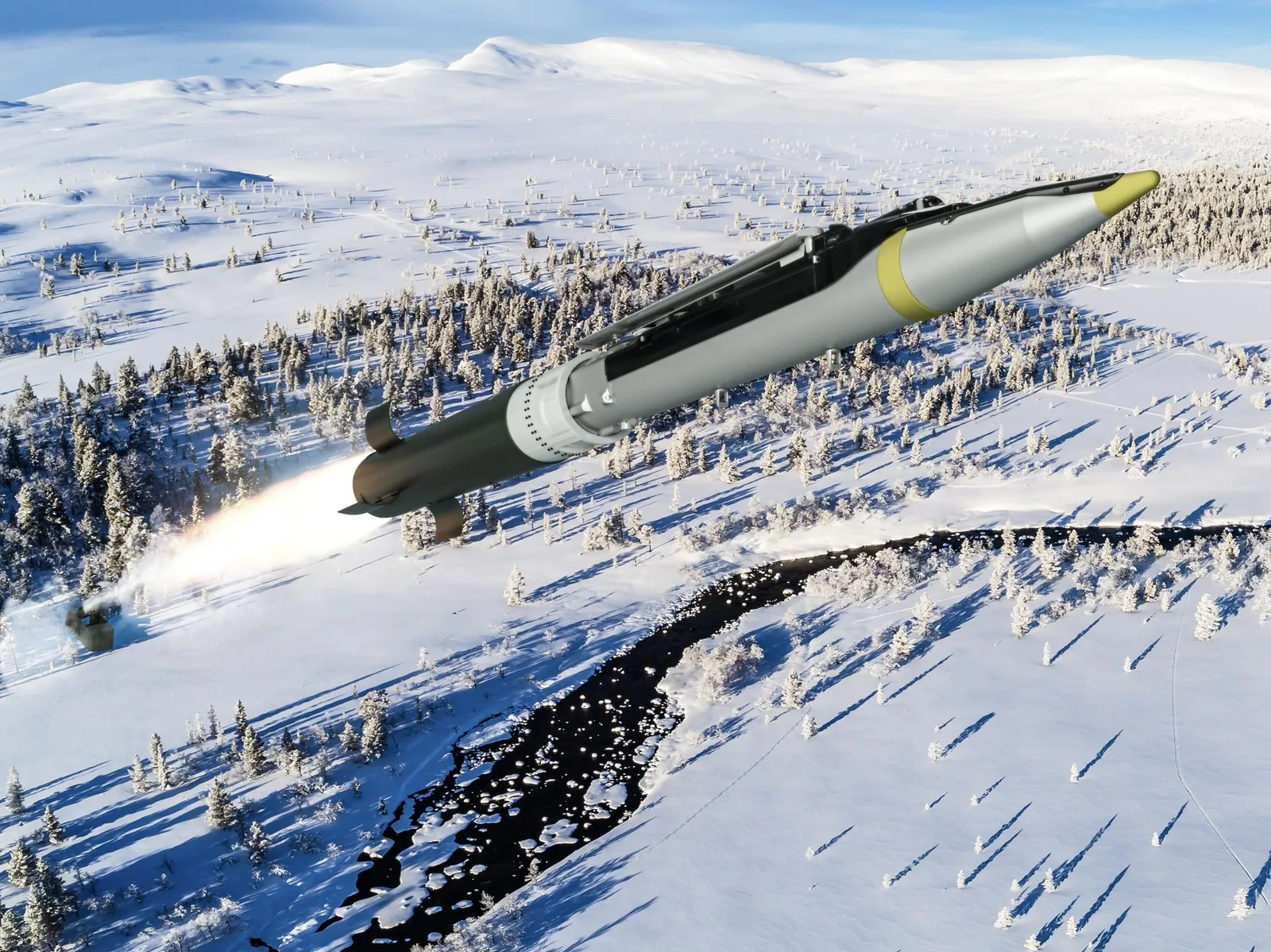
GLSDB, the Ground-Launched Small Diameter Bomb, is a weapon Boeing and Saab assembled from two existing parts: the GBU-39 Small Diameter Bomb, a small guided glide bomb carried by US aircraft, and the M26 rocket motor from old unguided rockets for multiple launch rocket systems. The rocket lifts the bomb; the bomb separates, unfolds its wings and glides to the target. Saab gives it a range of up to 150 km. The US Department of Defense said in February 2023, a year into Russia's full-scale invasion, that it would buy GLSDB for Ukraine through the Ukraine Security Assistance Initiative, and Ukraine was using it by early 2024.
My argument is that GLSDB shows the limit of the fastest way to build a new weapon. Combining parts that each have a combat record is quick and cheap, and Saab markets the low cost on exactly that basis. But "combat-proven" on that brochure described the parts, not the weapon. But the record belonged to the parts in another war, against another enemy. The combination had never met Russian electronic warfare, and it took Ukraine's battlefield, a pause in use and months of rework to find out what that meant.
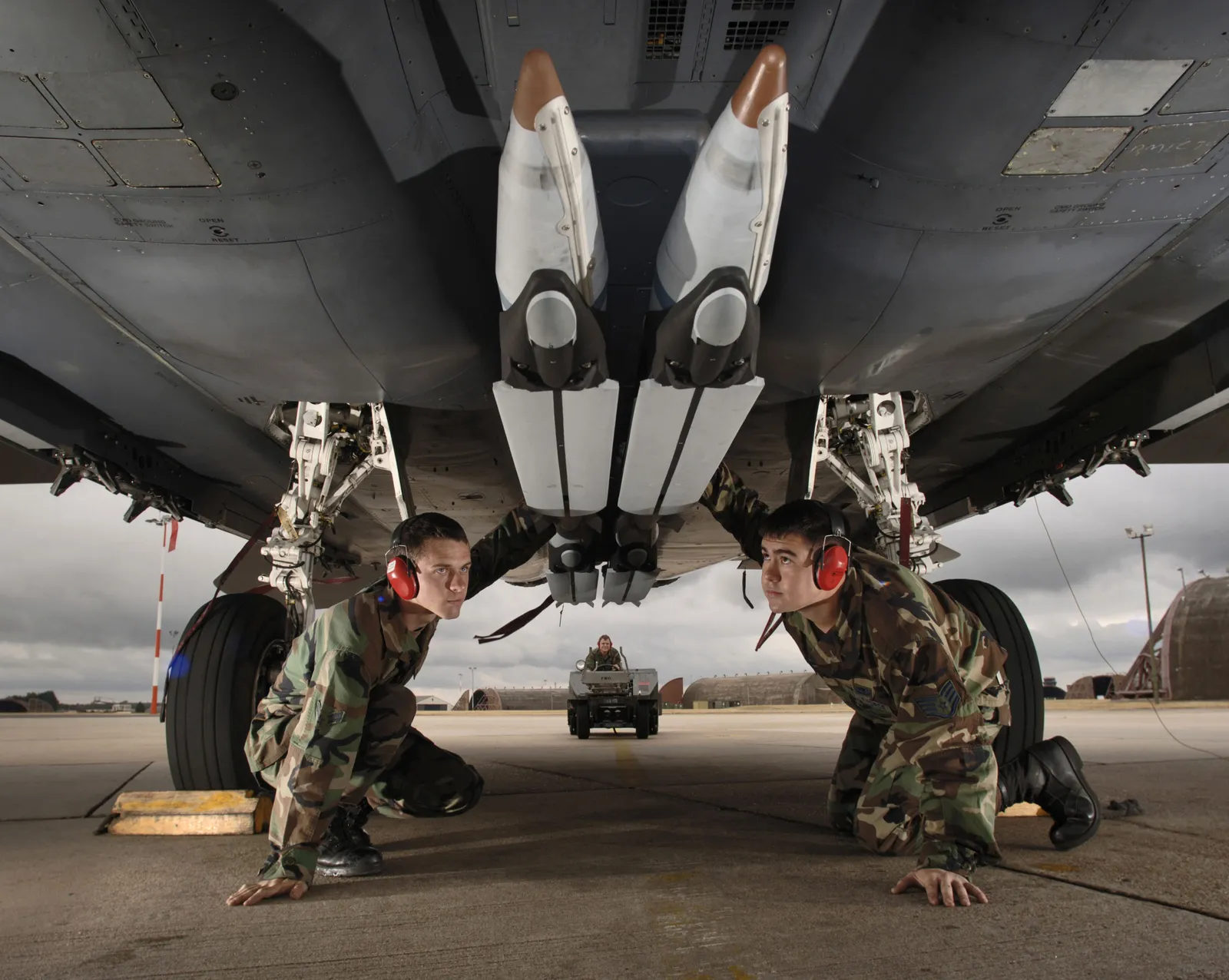
What GLSDB is
| Makers | Boeing and Saab |
|---|---|
| Parts | GBU-39 Small Diameter Bomb I (guided glide bomb) on an M26 rocket motor |
| Range | up to 150 km, by Saab |
| Accuracy | Saab claims about 1 m |
| Cost | the GBU-39 alone was reported at about $40,000 by Reuters in 2022; no price for the complete round is published |
| In Ukraine | funded through USAI in February 2023, tested by the US in January 2024, in use by early 2024 |
What happened to it in Ukraine?
It missed. Reuters reported in May 2024, from three people familiar with the problems, that Russian electronic warfare was jamming GLSDB's navigation and that many of the rounds fired since early 2024 had missed their targets; one said Boeing would need months to fix it. By March 2025, a Reuters source said, Ukraine had not used it for months. The US then test-fired 19 modified rounds, with changes that included reinforcing connections inside the weapon, and was ready to resume shipments from a stockpile in Europe.
No hit rate was published at any stage, and there is no public record yet of how the reworked rounds performed in combat.
Why did two proven parts fail together?
Because a part is proven in its context, not in general. The Small Diameter Bomb was designed to be released by aircraft from altitude, with a short glide through airspace where GPS worked. Launched from the ground, it flies a different profile over a much longer distance, through the densest jamming in modern war. Its guidance had to hold for longer, in worse conditions, than anything its record covered. The rocket motor was never the problem.
That is a general lesson for anyone building a system from existing components, which is most of the defense startups I see. The record of each part is evidence about that part. The combination needs its own test in the conditions it will meet, and in Ukraine that means Russian jamming. The same pattern hit Western guided shells, rockets and drones in Ukraine; I go through it in why Western weapons stumbled in Ukraine.
Where does this lead?
I expect three things.
- "Combat-proven" gets narrower. Buyers will ask where and against what a product was proven, and for which version, as I recommend in how I would evaluate a defense tech startup.
- Cheap long range moves to drones and cheap missiles. Ukraine's own long-range drones and the Pentagon's affordable missiles in FAMM and LCCM compete with GLSDB for the same job at 100–300 km, and they are designed for jamming from the start.
- The fix cycle becomes the metric. GLSDB's rework took months. Ukrainian makers change a product in weeks after combat feedback. Buyers will start comparing the two.
Signals worth watching: any published GLSDB results after the rework, further orders from other countries, and the price of competing long-range strike options.
What will the market need next?
GLSDB shows the market for the step that was skipped: testing a combination of proven parts as a new weapon, under the jamming it will meet. Test services that run that check before delivery, and engineers who rework a weapon fast when it fails, sell what the programme lacked.
The other market is the competition. Long-range strike at 100 to 300 km is now offered by Ukraine's own long-range drones and by the Pentagon's affordable missiles, both built for jamming from the start. The engines, navigation and warheads for that class are the same problem for each of them.
Signals worth watching: published results for reworked GLSDB rounds, orders for low-cost long-range strike in Europe, and test contracts that require operation under heavy electronic warfare.
What GLSDB means for a defense founder
- Test the combination, not the parts. Your supplier's flight record is not yours. Plan the test of the whole system where it will be used; the route is in how to get a drone tested in Ukraine.
- Put navigation under attack early. Satellite navigation is the first thing an enemy attacks. Design and test as if it is gone.
- Plan the fix before you ship. Decide in advance who can change what, how fast, and how a modified batch gets back to the user. A product that can be fixed in weeks keeps its place in the war; one that takes months loses it.
Sources (7)
- Saab, GLSDB delivers on the needs of today, 2026
- Reuters, US rocket-powered bomb would double Ukraine's strike range, 1 February 2023
- Reuters, 100-mile strike weapon weighed for Ukraine, 28 November 2022
- US Department of Defense, Pentagon press briefing, 3 February 2023
- Reuters, Ukraine's new 100-mile bomb from Boeing is ready, 30 January 2024
- Reuters, Ukraine's long-range glide bomb blunted by Russian jamming, 23 May 2024
- Reuters, US long-range bombs headed to Ukraine as ATACMS supply dwindles, 13 March 2025