
The Pentagon's counter-drone directed energy pilot, read line by line, and what it means for a company that wants in
On 5 October 2026 the Pentagon picked three lasers and one microwave weapon to defend US bases against drones. The release is short and says more than it seems. Here is what it commits to, what it leaves out, and how a counter-drone company gets into the next round in December.
The counter-drone directed energy pilot puts lasers and microwave weapons on guard at US bases, outside the test ranges, to learn what they cost to run. Directed energy means weapons that hit with energy instead of a projectile: a high-energy laser burns through a drone's structure or sensors, a high-power microwave burns out its electronics. The announcement came from the Department of War on 5 October 2026. Read closely, it tells a counter-drone company what the US is buying next, what it is still unsure about, and where the door is open.
What the release says
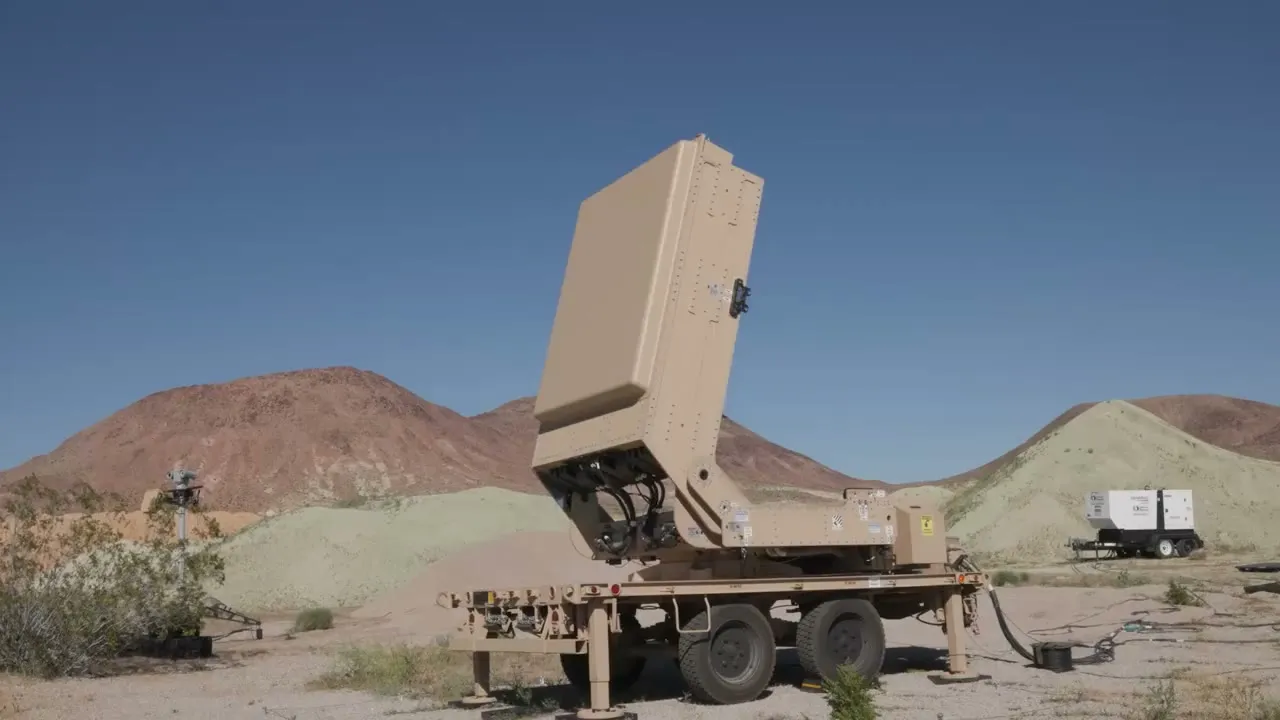
- Four systems are selected: AeroVironment's Palletized High-Energy Laser, Epirus's Leonidas High-Powered Microwave, Kord's Firefly High-Energy Laser and Boeing's Compact Laser Weapon System. Three lasers, one microwave.
- The task force runs it. JIATF-401, the Joint Interagency Task Force the Army was directed to set up in August 2025 as the Defense Department's lead for countering small drones, conducts the pilot with the Federal Aviation Administration, US Northern Command and the services.
- Congress ordered it. The pilot is directed by the Fiscal Year 2026 National Defense Authorization Act.
- It measures more than hits. The stated aim is data on "requirements, costs, and best practices", and General Ross talks about how best to "integrate and sustain" the systems.
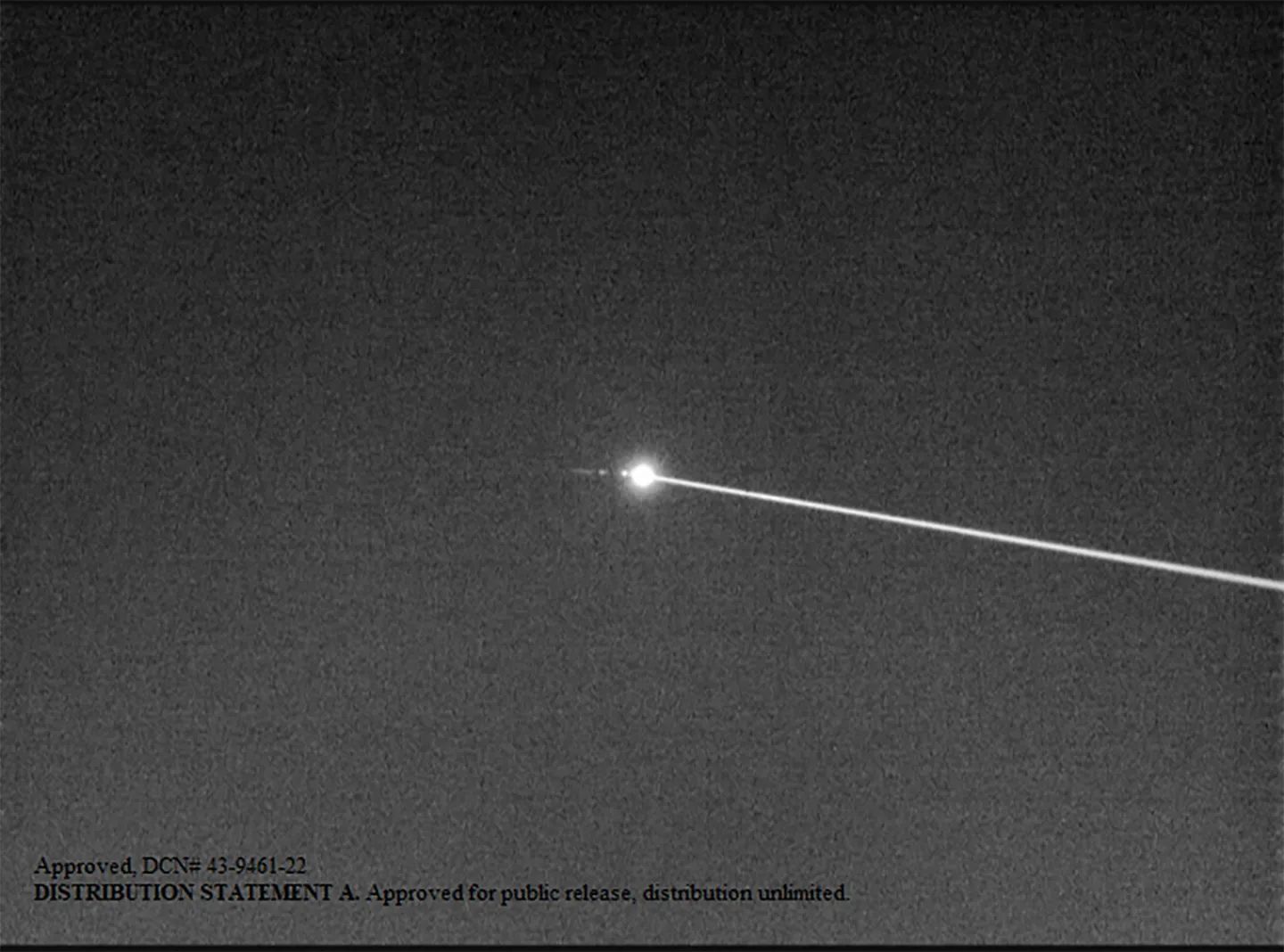
- The airspace question has a first answer. In a live-fire laser test at White Sands, the FAA found that the system posed "minimal risk to the National Airspace System" and set up a framework for continued coordination.
- The list is open. The department "will continue to evaluate additional directed-energy technologies", starting with a directed-energy shoot-off at Dugway Proving Ground in December.
What the release does not say
No contract values, no quantities, no schedule per vendor. Earlier contracts, such as the Army's $66.1 million prototype agreement with Epirus for its microwave system in 2023, are not pilot awards, and nobody should report them as such. The reported sites come from task-force officials quoted by DefenseScoop in August: Fort Huachuca in Arizona, Fort Bliss in Texas, Naval Base Kitsap in Washington, Grand Forks Air Force Base in North Dakota and Whiteman Air Force Base in Missouri.
The release also leaves out the reason the FAA paragraph is there. In February 2026 the FAA briefly closed airspace around El Paso airport after a miscommunication between federal agencies over a counter-drone laser used by Customs and Border Protection, as Breaking Defense reported; the laser turned out to be on loan from the Army. A laser over a US city is an aviation-safety question before it is a military one.
Why does the Pentagon want lasers and microwaves against drones?
Because firing missiles at cheap drones costs more than the drones. The UK says its DragonFire laser costs about £10 per shot, against missiles that cost "upwards of hundreds of thousands of pounds per shot", and in its latest trials it shot down drones flying at up to 650 km/h. MBDA has a £316 million contract to deliver DragonFire to the Royal Navy from 2027. Israel's Iron Beam, handed to the Israel Defense Forces on 28 December 2025, is described by Israel's defense ministry as having "negligible marginal cost". This is the cost-exchange ratio problem, attacked from the defender's side.
The cost per shot is not the cost per kill. A laser has to hold its beam on one target for seconds, loses range in rain, fog and smoke, and needs power and cooling that a truck has to carry. A microwave reaches several drones at once at shorter range, which is why Epirus says Leonidas defeated all 49 drones flown in a swarm demonstration in August 2025, a figure the company reports. The pilot's real question is the one the release names: what these systems cost to run every day at a base, including crews, maintenance and the engagements they miss. That is also why the general calls them one layer, not the answer.
What will the market need next?
The pilot buys the weapon, but the gaps around it are where a smaller company fits. A laser or microwave fires only after something has found, classified and tracked the drone, so sensors and command software that hand targets to directed energy are bought with every system. The parts that make a laser cheaper and smaller, power storage, cooling and beam directors, decide its cost per shot, and a breakthrough there matters to every laser in the pilot.
Sustainment is the quieter market. A laser at a base has to be kept ready every day, by trained crews, with spares and maintenance close by. The pilot measures that cost; companies that can run it as a service for a base will matter once the pilot turns into orders.
The buyer list is short by law. Under 10 USC 130i the homeland market is a few federal buyers protecting designated facilities, which means a counter-drone company selling in the US competes for a small number of large customers.
Signals worth watching: results of the December shoot-off at Dugway, the first contract values for the selected systems, and cost-per-engagement figures published from the pilot.
What does this mean for a counter-drone company?
- The December shoot-off is the door. Solutions that perform well could be bought on the spot, General Ross has said, as Breaking Defense reported; a company with a working laser, microwave or a component that makes one cheaper should be preparing data for Dugway now, not after the pilot reports.
- Sell the layer, not the weapon. The Pentagon is buying a combination: detection, electronic warfare, guns, interceptors and directed energy. A laser or a microwave fires only after radar or another sensor has found, classified and tracked the drone and someone has authorised the shot. A product that plugs into the existing command and control has a shorter path than one that asks to replace it.
- Price per engagement wins the argument. Bring cost per shot, cost per successful engagement and the daily cost of keeping the system ready. The pilot will produce those numbers for the four selected systems; a challenger needs its own.
- Law sets the customer. Under US law (10 USC 130i) the Defense Department may defeat drones that threaten designated facilities, in coordination with the Department of Transportation. That makes the homeland market a short list of federal buyers, not every stadium and airport.
- The market numbers disagree. MarketsandMarkets puts the global counter-drone market at $9.17 billion in 2026, rising to $29.70 billion by 2031; other firms publish higher figures on different definitions. All of them include detection and command systems as well as weapons. Quote none of them as the size of the directed-energy market.
The threat this answers is changing faster than the pilot. Russia's jet-powered Shahed-type drones fly several times faster than the propeller version, and Ukraine's interceptor drones were built for the slower one; the production side of that race is in the jet-interceptor engine bottleneck, and the cheap answer to the original Shahed is in Ukraine's interceptor drones. How the Pentagon buys drones and counter-drone systems at volume is in Drone Dominance, and who signs which contract is in defense tech go-to-market.
Sources (10)
- US Department of War, systems selected for JIATF 401 directed-energy counter-drone pilot program, 5 October 2026
- Breaking Defense, Pentagon picks 4 vendors for counter-drone directed energy pilot program, 5 October 2026
- DefenseScoop, US military plans directed-energy shoot-off for counter-drone pilot, 21 August 2026
- US Department of Defense, establishment of Joint Interagency Task Force 401, 28 August 2025
- US Code, 10 USC 130i, protection of certain facilities and assets from unmanned aircraft
- Epirus, US Army awards Epirus $66.1 million contract for Leonidas, January 2023
- Epirus, Leonidas defeats 49-drone swarm, September 2025
- UK Ministry of Defence, new laser weapon takes down high-speed drones (DragonFire, £316 million), November 2025
- Israel Ministry of Defense, first operational Iron Beam delivered to the IDF, 28 December 2025
- MarketsandMarkets, counter-UAS market forecast, July 2026