
Ukraine’s interceptor drones turned air defense into a manufacturing problem. The next limits are speed and people.
In 2025 Ukraine went from a handful of prototypes to building interceptor drones by the thousand a day. They now account for a large share of Shaheds shot down. Here is what they are, who makes them, what they cost and where their limits are.
Interceptor drones are Ukraine’s answer to a simple piece of arithmetic: a Shahed, the Iranian-designed attack drone Russia launches at Ukrainian cities by the hundred, costs tens of thousands of dollars and a Western air-defense missile costs millions. An interceptor is a small, fast drone, usually flown first-person by an operator, that climbs to meet a Shahed and destroys it by ramming it or exploding next to it, for a thousand to a few thousand dollars. In about a year Ukraine went from testing a handful of designs to building them by the thousand a day, and they changed the economics of stopping drones more than any single missile system did.
My argument is that interceptor drones won the first round because they turned air defense into a manufacturing problem, the kind Ukraine's drone industry is built to solve. That also tells you where the next limits are: not the drone, which can be made by the thousand, but the speed it needs against jet targets and the operators it needs to fly it.
Where did they come from?
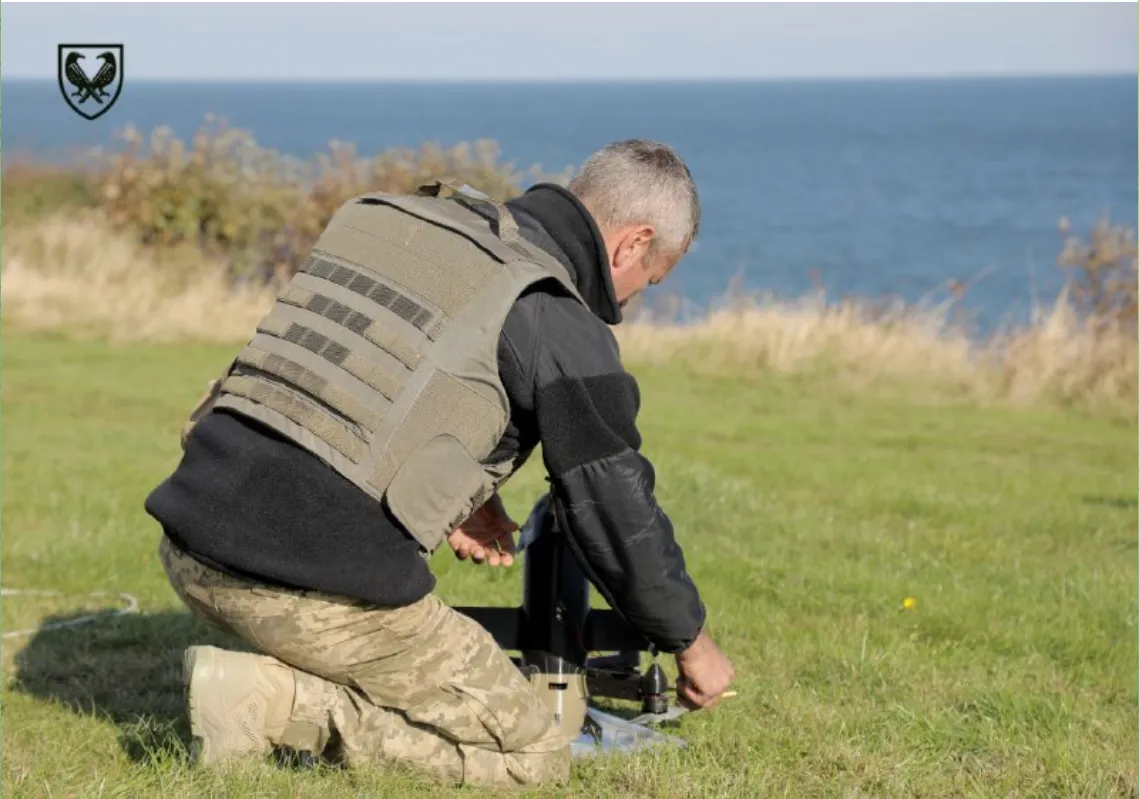
From necessity in 2024 and 2025, when Russia was launching thousands of Shahed drones a month and Ukraine could not afford to answer each one with a missile. In July 2025 Ukraine’s defense ministry said ten interceptor models were being tested against Shaheds. By the end of the year several were in mass production, bought through the ministry, through Brave1, Ukraine’s defense-tech cluster, and through large volunteer foundations.
The volumes moved faster than almost anything else in the war. Ukraine’s security council reported 100,000 interceptor drones made in 2025. By 7 January 2026 production had reached about 1,500 a day, and the government reported 40,000 built in January alone. In March 2026 the president said Ukraine could make 2,000 a day with financing and needed about 1,000 a day for itself.
The main models
| Model | Maker | Reported price | Performance, as published | In service |
|---|---|---|---|---|
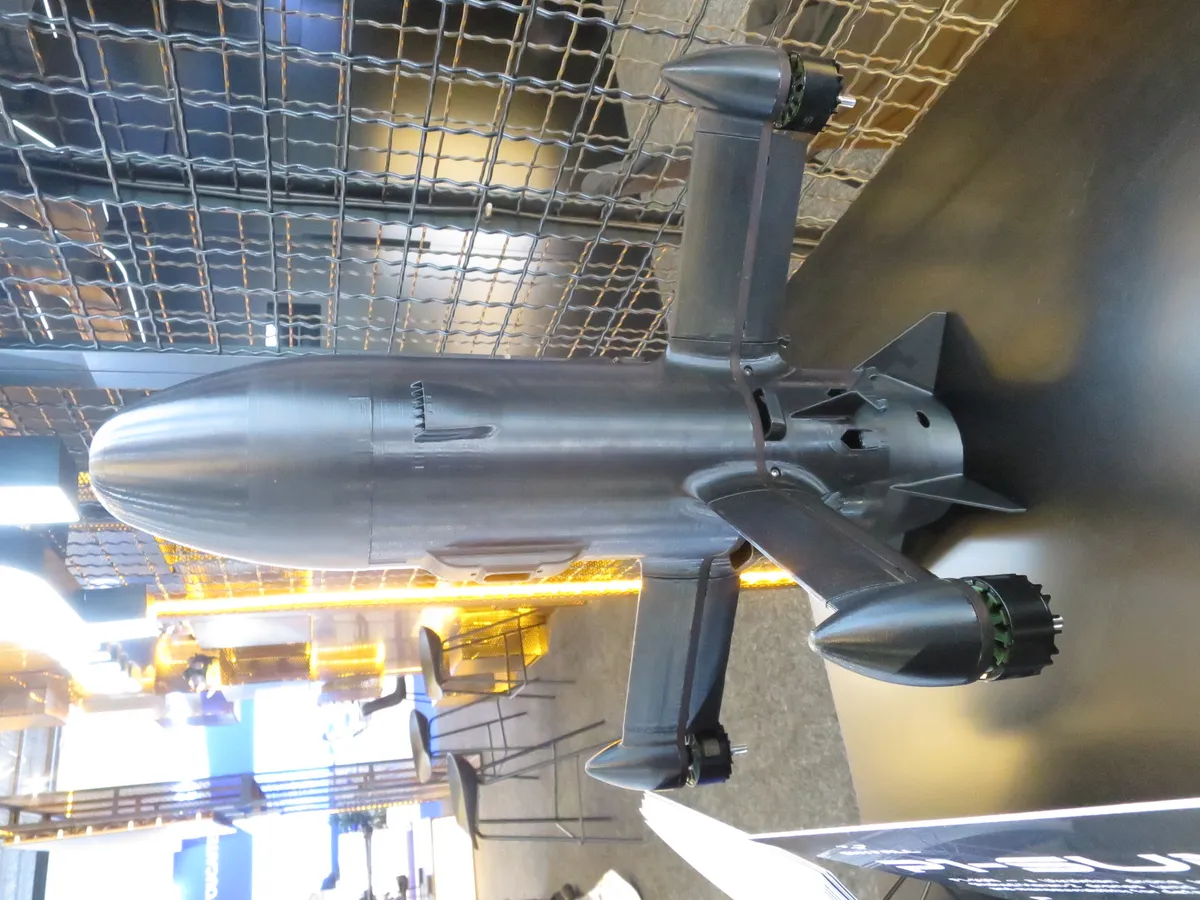
| STING | Wild Hornets | about $2,000 to $2,300 | up to 280 km/h; maximum range 37 km; climbs at 30 m/s to a ceiling of 7,000 m; 6 to 15 minutes in the air; 500 g payload; 4 kg takeoff weight | from June 2025; more than 3,000 Shaheds downed by March 2026, by the maker’s count, as reported |
| P1-SUN | SkyFall | about $1,000 | over 300 km/h; up to 5,000 m; about 23 km; over 17 minutes; up to 800 g of explosive; 3D-printed | mass production from about November 2025 |
| Bullet | General Cherry (General Chereshnya) | not published | not published | developed late 2025; several hundred Shaheds downed by March 2026, by the company’s account |
Maker figures are maker figures. Wild Hornets advertises an 80 to 90% hit rate for STING; Ukraine’s security council put the success rate across all interceptor drones above 60% in 2025. The 68% the president cited in January 2026 is the rate against the jet-powered Shahed; against the ordinary piston-engined Shahed, interception runs above 90%, the figure official Ukrainian estimates give. The numbers measure different things and should not be compared one to one.
How does an interceptor actually find a Shahed?
Not by itself. An interceptor is the last link of a chain: radars, Ukraine’s acoustic sensor network, reconnaissance drones and observers detect the target, and a crew launches and flies the interceptor onto it. A SkyFall representative said it plainly: the interceptor is not a stand-alone solution. That has two consequences. The real cost of an intercept is the drone plus a share of the sensors, communications and crews behind it. And the competitive edge of a maker is as much in training throughput and integration with the detection network as in the airframe; Wild Hornets says a STING operator trains in six days.
How much do they change the economics?
A great deal. Ukraine’s security council says downing a Shahed with an interceptor drone costs more than 25 times less than with a Western air-defense missile. Defense News, citing CSIS, put a Shahed at as little as $35,000 and a Patriot interceptor at over $3 million. By April 2026 interceptor drones accounted for about 40% of Shahed-type shootdowns, as reported by Reuters, up from a quarter during the winter. The full arithmetic, and why it decides who runs out first, is in cost-exchange ratio.
Where are their limits?
Speed. A Shahed flies at about 185 km/h, inside the envelope of a 280 to 300 km/h interceptor. Russia’s jet-powered Geran versions fly at 300 to 600 km/h, and the cheap Banderol cruise missile at 520 to 560 km/h, which is why Russia has been shifting to them. In practice interceptor drones bring down very few jet Shaheds today; against ordinary Shaheds they were part of a defense that at its best stopped up to about 95%. The next generation of interceptors has to be faster without losing its price, and the small turbojets that make it faster are now the bottleneck, as I describe in the interceptor engine shortage, and that is the gap I describe in why a cheap cruise missile is hard to stop.
Exports are the other limit. In March 2026, after Iranian drones hit Gulf states, buyers in the Middle East and the US asked for Ukrainian interceptors. SkyFall said it could make up to 50,000 a month and export 5,000 to 10,000 without shorting Ukraine; Wild Hornets said it would not negotiate without government approval. By April 2026 only a handful of export licenses had been issued. For exports, the constraint is wartime allocation and the export regime, not the factory, and how that regime works is in Ukraine’s defense export rules for buyers.
The Gulf showed a limit no factory can fix. In the first days of the war with Iran the US Army bought 13,000 Merops interceptors and flew them to the region without the sensor network that finds targets in Ukraine; by The Atlantic's account they brought down one Shahed. An interceptor drone is the last link of a chain, and I work through what the missing links cost in the economics of saying no to Ukraine's interceptors.
Where do interceptor drones go next?
I see three shifts over the next two years.
- Faster, and more expensive. Against a propeller Shahed at about 185 km/h an electric quadcopter was enough. Against jet drones at 450–600 km/h interceptors need jet or rocket propulsion, and the price rises from about a thousand dollars toward tens of thousands; the bottleneck is the engine, as I set out in the jet-interceptor engine bottleneck. The cost-exchange ratio still favours the defender against a $100,000 Geran-5, but by less.
- The operator becomes the limit. A drone made by the thousand a day still needs a trained person to fly the last seconds. Automated terminal guidance, already on many models, will move from an aid to the default, because a country can build interceptors faster than it can train crews.
- The industry exports. Ukrainian makers say they can produce far more than Ukraine buys, and the Gulf and Europe face the same drones. Export permission, not demand, is what holds them back; the rules are in Ukraine's export mechanism.
Signals worth watching: the share of shootdowns made by interceptors, which rose to about 40% by April 2026; how many interceptor types with jet engines reach units; and the first export licences for interceptors.
What will the market need next?
Interceptor drones are moving from one product to a product family, and each step has its own buyers. Against propeller Shaheds, quadcopters at a thousand to a few thousand dollars are enough. Against jet-powered versions, interceptors need jet or rocket propulsion and will cost tens of thousands of dollars, a price band where the market has almost nothing in volume and small engines are the bottleneck.
Two less visible products sit around the drone. Terminal guidance software that takes over in the last seconds, so that operators with less training can still hit. And training itself: Gulf buyers in 2026 found that trained operators, not drones, were the limit, as Ukrainian makers told Reuters and as I describe in how Iran made the US pay for its air defense, which makes a package of interceptors, crews and instruction the thing to sell abroad.
Exports will open slowly, so the earliest foreign revenue for Ukrainian makers is likely to come from joint production in partner countries and from training contracts, not from shipments.
Signals worth watching: unit prices of the first jet interceptors in Ukrainian service, export licences issued for interceptor drones, and foreign contracts for training interceptor crews.
What a founder should take from it
Three things. Ukraine proved that a defense product can go from prototype to a thousand a day in about a year when the buyer, the price ceiling and the test range are all in one place. It proved that the interceptor is a system sale: drone, sensors, training and integration. And it set a price benchmark that every Western counter-drone program will now be measured against. If you are building in this space, the question a buyer will ask first is no longer whether it works. It is what it costs per kill and how many you can deliver a month.
Sources (11)
- National Security and Defense Council of Ukraine, interceptor drones in 2025
- Wild Hornets, STING interceptor
- Mezha Oboronka, SkyFall on the price of the P1-SUN interceptor, February 2026
- UNITED24 Media, how Ukraine started 2026 with record anti-Shahed drone production
- AsiaOne (Reuters), Ukraine’s drone masters eye export ambitions, March 2026
- The Kyiv Independent, Ukraine’s new interceptor drones are starting to knock Shaheds out of the sky, July 2025
- Reuters, inside the Ukrainian interceptor drones wanted around the Gulf, 17 March 2026
- Reuters, Ukraine’s interceptor drone makers look to exports, 7 March 2026
- Associated Press, Ukraine’s Shahed defenses, March 2026
- Defense News, interceptor drones and air-defense economics, 5 March 2026
- The Atlantic, The Pentagon ignored a warning about the danger of Iran's drones, 15 November 2026
Where this comes up on the site
- Too proud to take Ukraine's $2,000 answer to Iran's Shaheds, the Pentagon paid in American lives and billions
- Iran did not have to beat American air defense. It made America pay for it, and the Patriot interceptor shortage is the bill.
- Ukraine's answer to the jet Shahed is held up by one part, and it is not the drone. It is the engine.