
The Kinzhal was beaten twice, by Patriot and by jamming. Russia's answer was to stop making it and build an Iskander that does not need satellites at the end
The Kh-47M2 Kinzhal is the air-launched ballistic missile Russia promoted as hypersonic and unstoppable. Patriot shot it down over Kyiv in May 2023, Ukrainian jamming made it miss, and in April 2026 Russia suspended its production. This page explains what the Kinzhal is, how it was beaten, what Russia did with the money, and what that sequence teaches defenders and the companies that supply them.
In the early hours of 4 May 2023 a Patriot battery near Kyiv shot down a Kh-47M2 Kinzhal. The first Patriots had reached Ukraine about two weeks earlier. Russia, which launched its full-scale invasion of Ukraine in February 2022, had presented the Kinzhal for five years as a hypersonic missile no air defense could stop. Twelve days later, on the night of 16 May, Ukraine said it had downed six more over the capital.
Three years on, in April 2026, Russia suspended serial production of the Kinzhal. Ukraine's intelligence gave the reason as accuracy, and a Ukrainian electronic-warfare commander said that when his units put up their jamming, one Kinzhal out of 59 launched landed where it was aimed. My reading is that the Kinzhal was beaten twice, by an interceptor and by jamming, and that the second defeat shaped what Russia built next. It moved the capacity to the Iskander-M and gave that missile seekers that see the target in the last seconds. The defense's best win against the Kinzhal pushed Russia toward a weapon whose final seconds satellite jamming does not decide.
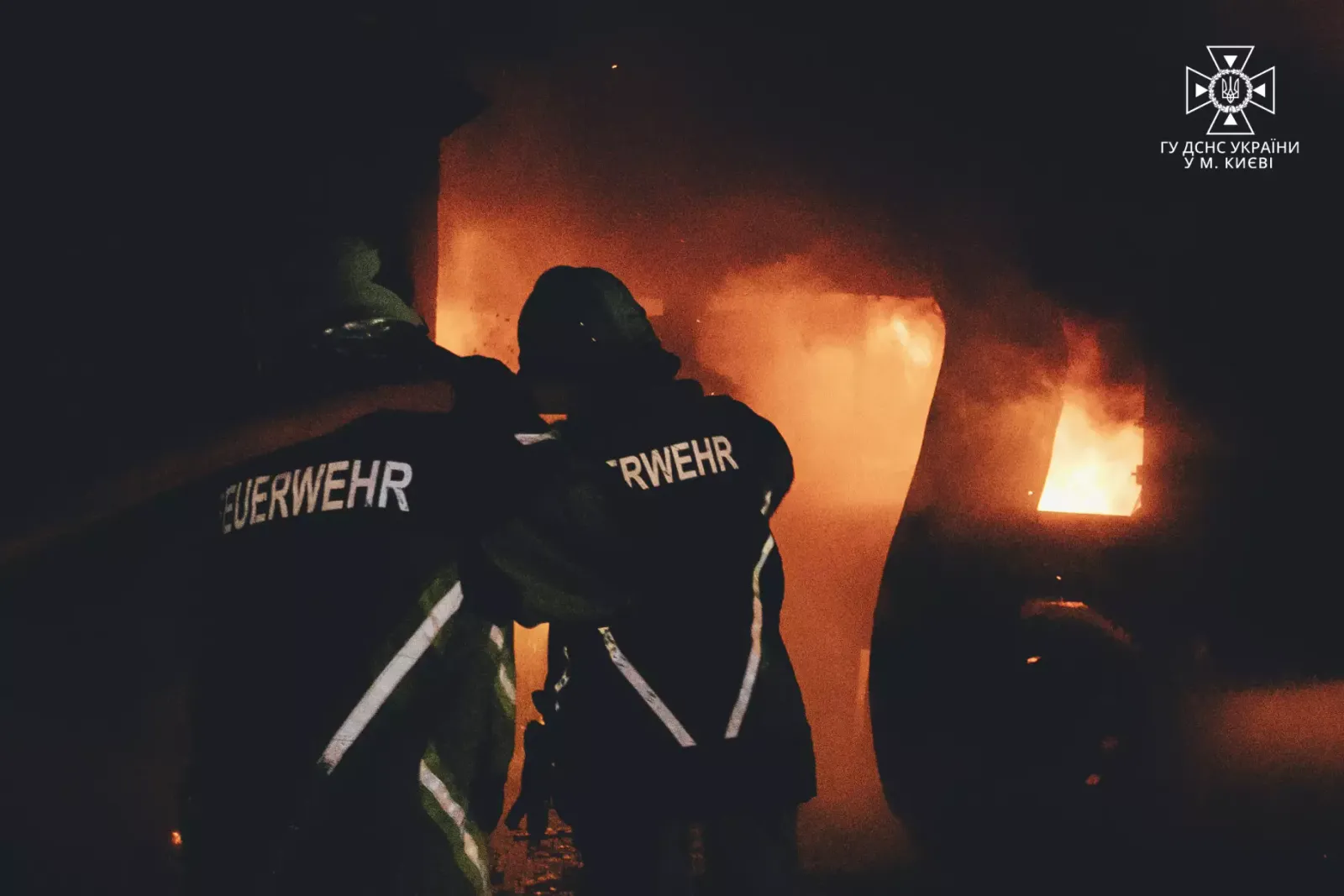
What is the Kinzhal?
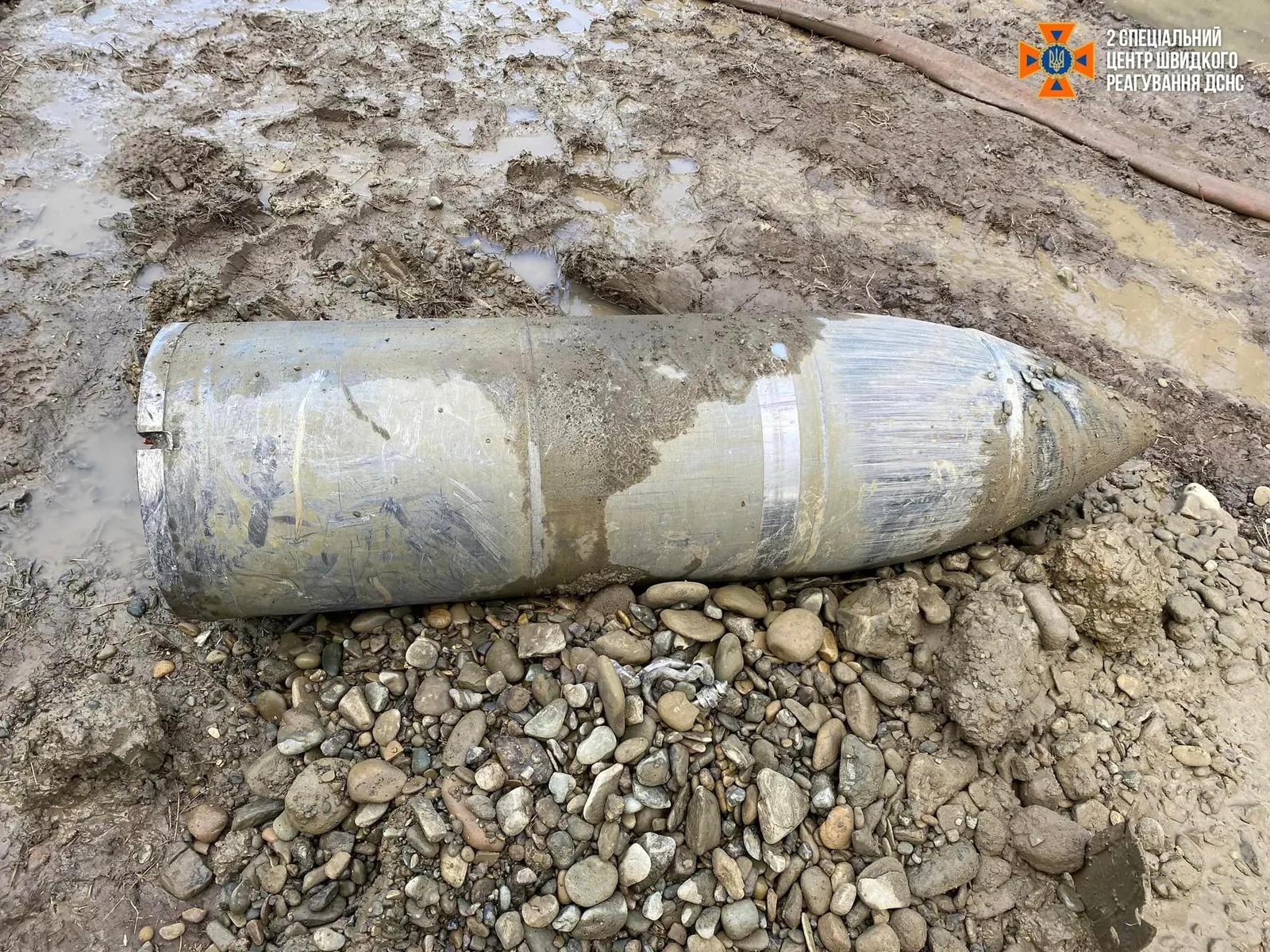
An air-launched ballistic missile, sometimes called aeroballistic: a ballistic missile carried to altitude and speed by a jet before release. CSIS's Missile Threat project describes it as likely derived from the ground-launched Iskander-M. It is 8 m long and 1 m wide, weighs about 4.3 tonnes and carries a 480 kg warhead. The carrier is the MiG-31K, a modified version of a Soviet-era interceptor jet; the launch from a fast, high aircraft gives the missile a range CSIS puts at 1,500 to 2,000 km. After release it accelerates to about Mach 4 and may reach Mach 10.
The Kinzhal entered service in 2017. Russia claimed its first combat use against Ukraine in March 2022.
The Kinzhal in numbers
| Figure | Value |
|---|---|
| Designation | Kh-47M2 Kinzhal |
| Length, diameter, mass | 8 m, 1 m, about 4,300 kg |
| Warhead | 480 kg, conventional or nuclear |
| Range | 1,500 to 2,000 km including the carrier jet's flight (CSIS) |
| Speed | about Mach 4 after release, possibly up to Mach 10 |
| Carrier | MiG-31K |
| First Patriot interception | 4 May 2023, Kyiv region |
| Production | suspended in April 2026 (Ukraine's intelligence) |
| Stock | about 50 in July 2026 |
| Estimated cost | $10 to 15 million in Ukrainian estimates; about $4.5 million in leaked Russian procurement documents, as reported |
How did Patriot beat it?
Speed at the top of the trajectory does not decide an interception. What decides it is the speed and manoeuvre in the last seconds, and whether the defender's radar sees the missile early enough to launch. The Kinzhal comes down on a ballistic path, the kind of target Patriot's PAC-3 interceptors were designed for: a hit-to-kill missile that destroys its target by colliding with it. I explain the system and its limits in the Patriot air-defense system.
Russia answered by going after the batteries. On 16 May 2023 a Patriot system in Kyiv was damaged, by US officials' account in its generator and part of its electronics, and was back in action two days later. Since then the Kinzhal has been fired alongside Iskanders, drones and cruise missiles, in raids designed to spend interceptors. RUSI analysts counted 227 Iskanders and Kinzhals intercepted out of 939 fired up to October 2025.
How did jamming beat it?
This is the part that is less known. Ukraine's intelligence said in August 2026 that the Kinzhal's production was paused over accuracy problems, and Ukrainian specialists linked those problems to jamming and spoofing of satellite navigation, spoofing meaning false signals that make a receiver think it is somewhere else. The EW commander's figure, one landing out of 59 launched while the jamming was up, would mean the missile was being defeated without any interceptor fired at all.
Two more costs sat under the accuracy problem. Every Kinzhal launch uses a sortie of a MiG-31K, a scarce aircraft that Russia cannot easily replace, and wear on those jets was among the reasons given for the suspension. And each missile costs more than an Iskander: Forbes Ukraine priced it at $15 million in its January 2024 estimate, five times the $3 million estimate for an Iskander. Even at the $4.5 million in the leaked documents, a missile that needs a scarce jet and misses under jamming was a poor use of the money, and its interception still cost the defender far more than it cost Russia, the cost-exchange ratio that every raid is built around.
What did Russia do with the money?
It moved it to the ground-launched missile it can make in volume. Ukraine's intelligence said in November 2026 that the Kinzhal's capacity had been redirected to other ballistic missiles, and the Iskander-M line now produces up to 65 a month. Russia kept about 50 Kinzhals, which are being modified for accuracy, and still fires them.
The upgrade that matters is what the Iskander-M gained. Its new version carries a radar seeker for night and fog and an optical seeker for daylight, both of which guide it in the last seconds by what they see, so jamming the satellite signal no longer decides the hit. On 7 November 2026 six of them were fired at Kyiv's Northern Bridge and four hit it, on a night when satellite navigation over Ukraine was being jammed. That is the lesson of the Kinzhal applied to a cheaper missile. I price the raid that hit the bridge, wave by wave, in what it costs to stop Russia's bridge-strike salvos.
Where does the Kinzhal go next?
Three signals will settle whether it comes back.
- Modified Kinzhals in combat. About 50 are being reworked for accuracy. If they start hitting point targets under jamming, the rework has solved the navigation problem, and production may resume.
- MiG-31K losses or replacements. The carrier fleet is the hard limit. Any sign of new carriers, or of Kinzhals fired from other aircraft, would change the count.
- Production restarting. A restart would show first in Ukraine's intelligence estimates, which have tracked the line so far. Until then, the Kinzhal is a stock being spent, not a programme growing.
What will the market need next?
The Kinzhal's story is about how long a defensive advantage lasts.
- Electronic warfare that is updated in months. Jamming beat the Kinzhal, and Russia answered by moving guidance off satellites in the last seconds. EW products now need a short upgrade cycle, sold as a subscription with regular software and hardware updates, to Ukraine's forces and to NATO armies preparing for the same threats.
- Defense against terminal seekers. With satellite jamming no longer enough, the next protection for a fixed site is fooling the radar and optical seekers themselves: reflectors, decoys and obscurants at the target. Infrastructure owners and military engineers are the buyers.
- Hit-to-kill capacity. Patriot remains the interceptor that stopped the Kinzhal and the Iskander, and its buyers will pay what it costs because in Ukraine only Patriot and the few SAMP/T batteries can stop the ballistic wave. The products that sell around it are the ones that make each PAC-3 count: better track classification, launcher protection and spare parts for batteries that Russia targets.
- Battery protection and repair. Russia aimed Kinzhals at Patriot batteries in 2023. Decoy launchers and radars, protective structures and fast repair of damaged components protect the most expensive part of the defense, and every Patriot operator needs them.
What the Kinzhal means for a defense founder
- A defensive win starts a clock. Ukraine's jamming defeated the Kinzhal, and Russia answered with a missile that does not depend on the jammed signal at the end. Build products that expect the counter-move.
- The carrier is part of the weapon's cost. A missile that needs a scarce jet is limited by the jet. When you size a threat, count the launchers and aircraft, not only the missiles.
- Count the production you displace. Jamming did more than lower the Kinzhal's hit rate; it made Russia shut a line and move the money. A countermeasure that changes what the enemy builds is worth more than its intercept rate shows, and that is the case to make to a buyer.
Sources (11)
- CSIS Missile Threat, Kh-47M2 Kinzhal, updated 23 April 2024
- PBS NewsHour (AP), Ukraine says it downed Russian hypersonic missile with US Patriot defense system, 6 May 2023
- Euromaidan Press, Ukraine confirms shooting down Kinzhal missile with Patriot, 6 May 2023
- Kyiv Independent, CNN: Patriot system likely damaged by Russian 16 May attack on Kyiv, 17 May 2023
- RUSI, Iskander improved: Russian missile tests Ukraine's air defence, 18 November 2025
- Kyiv Independent, Forbes estimates Russia's 2 January mass attack cost nearly $620 million, 2 January 2024
- Kyiv Independent, Russia has 50 Kinzhal missiles after pausing production, HUR claims, 20 August 2026
- NV, Russia's Kinzhal stockpiles after the suspension of production, 20 August 2026
- UNITED24 Media, Russia keeps building missiles despite sanctions, 4 November 2026
- UNITED24 Media, Russia launches three waves of ballistic missiles at Kyiv, 7 November 2026
- Euromaidan Press, Jamming doesn't stop Russia hitting bridges, 9 November 2026
Where this comes up on the site
- The upgraded Iskander-M stopped needing satellites at the end of its flight, and that is why jamming no longer protects a bridge
- Russia's bridge-strike salvos are built so that the cheapest missile buys the most expensive response, and one bridge can take 8% of a year's Patriot output
- Russia sells the Zircon as an unstoppable hypersonic missile. Over Kyiv it slows down, carries under 50 kg of explosive and works as a $5 million decoy for the Iskanders behind it